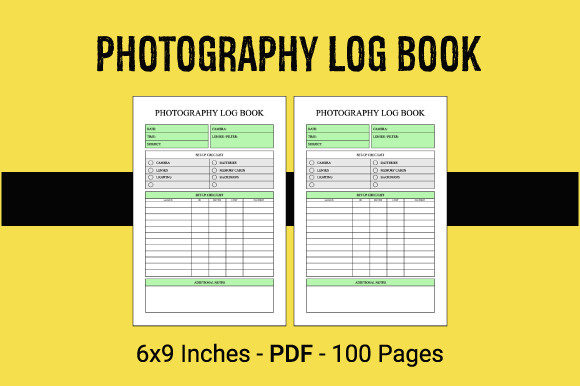
Photography Log Book Interior for KDP Publishing
Creating a successful low-content book on Amazon KDP often comes down to the utility of the interior. While covers catch the eye, the internal structure determines whether a customer leaves a five-star review or returns the product. For publishers targeting the niche of analog photography, camera gear tracking, and creative project management, a specialized Photography Log Book Interior is an essential asset. This ready-to-use PDF file eliminates the technical hurdles of formatting, allowing creators to focus entirely on market research and cover design.
This specific digital resource provides a comprehensive 100-page layout designed explicitly for photographers. Whether your audience consists of professional wedding shooters, hobbyist film enthusiasts, or students learning exposure triangles, this interior offers the structured space they need to document their craft. By utilizing a pre-formatted template, you bypass the steep learning curve of graphic design software and move directly to the publishing phase.
Technical Specifications and Print Readiness
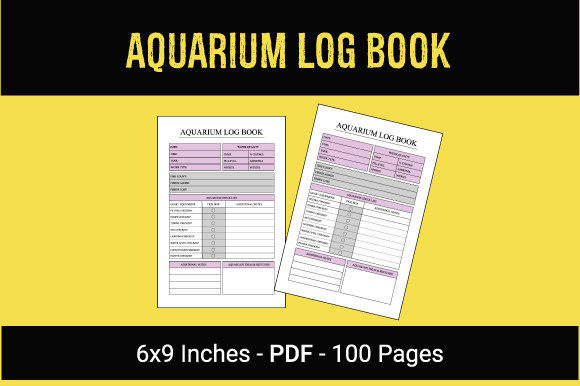
One of the most common reasons for KDP rejection or poor customer feedback is improper file setup. This Photography Log Book Interior is engineered to meet Amazon’s strict printing guidelines right out of the box. The file is delivered as a high-resolution PDF, ensuring that lines remain crisp and text stays sharp after the physical printing process. Blurry interiors are a hallmark of amateur self-publishing; this high-fidelity file maintains professional standards suitable for commercial sale.
The dimensions are set to the industry-standard 6″ x 9″ trim size. This portable format is widely preferred by photographers because it fits easily into camera bags, backpacks, and glove compartments without adding bulk. Crucially, the file is configured with no bleed. This distinction matters significantly for log books where writing space is paramount. A no-bleed interior ensures that all content, including headers, footers, and table borders, stays safely within the safe zone. You will not have to worry about vital tracking fields being trimmed off during the binding process, which preserves the functional integrity of every single page.
Functional Layout Design
A generic notebook does not serve a photographer’s specific needs. This interior differentiates itself through purpose-built pages that address real-world workflows. Rather than blank lined paper, the 100 pages include dedicated sections for recording technical metadata that digital files sometimes obscure or that memory fails to retain.
- Shoot Documentation: Spaces for date, location, weather conditions, and lighting setups.
- Technical Settings: Fields for aperture, shutter speed, ISO, focal length, and white balance.
- Gear Tracking: Areas to note specific lenses, filters, flashes, and film stocks used.
- Creative Notes: Sections for sketching compositions, noting client requests, or planning post-processing edits.
- Project Management: Checklists for equipment packing and shot lists to prevent missed opportunities.
This level of detail transforms a simple journal into a valuable reference tool. When a photographer looks back at a stunning image six months later, this log book helps them replicate the exact conditions and settings that made the shot possible.
Strategic Applications for Publishers
For KDP entrepreneurs and POD business owners, time is the most valuable currency. Designing a functional, aesthetically pleasing log book from scratch can take dozens of hours, especially when accounting for margins, gutters, and consistent styling. This ready-to-use Photography Log Book Interior compresses that timeline dramatically. The "just add a cover and publish" model allows for rapid iteration and testing of different sub-niches within the photography market.
Consider the versatility of this single interior file. It is not limited to a single demographic. With different cover designs and keyword strategies, this same 100-page PDF can serve multiple distinct audiences:
- Film Photography Enthusiasts: Analog shooters have no EXIF data embedded in their negatives. They require physical logs to track development times, push/pull processing, and lens choices. This is a passionate, spending-willing niche.
- Professional Wedding Photographers: These users need reliable backup documentation for legal protection and workflow consistency. A log book serves as a tangible record of deliverables and timelines.
- Photography Students: Educators often require students to keep exposure journals to understand the relationship between light and settings. This interior acts as a practical textbook companion.
- Nature and Wildlife Photographers: Tracking animal behavior patterns alongside camera settings helps outdoor shooters predict future encounters and refine their patience.
Enhancing User Experience and Value Perception
In the low-content book market, perceived value drives sales. Customers are increasingly savvy; they use "Look Inside" features and scrutinize preview images before purchasing. A well-structured Photography Log Book Interior signals quality. When a potential buyer sees thoughtful prompts rather than empty boxes, they understand that the creator understands their pain points.
This usability translates directly to better engagement. Users are more likely to complete a journal that guides them through the entry process. High completion rates lead to organic word-of-mouth marketing and positive reviews mentioning the book's helpfulness. Furthermore, the clean, minimalist aesthetic typical of professional log books appeals to the visual sensibilities of photographers. Cluttered or overly decorative interiors can distract from the data; this template prioritizes clarity and function, respecting the user's need for quick reference in the field.
Practical Considerations for Implementation
While this digital file streamlines production, success still requires strategic implementation. Since the interior is fixed at 100 pages with no bleed, your cover design must align perfectly with these specifications. Always download the latest KDP cover template generator using the exact page count and paper type (white or cream) you intend to use. Even a millimeter of misalignment can result in rejected uploads or crooked spines.
Additionally, consider how you position this product in your listing description. Do not simply state that it is a log book. Highlight the specific problems it solves. Mention that it is sized for camera bags. Emphasize that it includes dedicated fields for film stock or flash settings. Connect the features of the Photography Log Book Interior to the daily realities of your target reader. This approach aligns with Google’s Helpful Content principles by demonstrating genuine utility rather than just targeting keywords.
Finally, remember that this interior is a foundation. While it is ready to publish as-is, some advanced publishers choose to use it as a base for further customization. However, for those new to KDP or looking to expand their catalog efficiently, the standalone value is immense. It removes the technical friction of book creation, allowing you to build a library of niche-specific resources that serve real communities. By providing a tool that genuinely aids photographers in mastering their craft, you build a sustainable publishing business rooted in actual user value rather than fleeting trends.