Evaluating the Tarot Card Journal KDP Interior for Low-Content Publishing
The low-content and medium-content publishing market on Amazon KDP has matured significantly, moving beyond simple lined notebooks toward specialized, niche-specific tools. Among these specialized formats, the Tarot Card Journal KDP Interior has emerged as a distinct product category for publishers targeting the spirituality and self-reflection demographic. This type of interior is designed specifically to facilitate tarot practice, offering structured layouts for recording card draws, interpretations, and personal insights. For publishers evaluating their next product line, understanding the utility, technical specifications, and market fit of this specific interior template is essential for making informed inventory decisions.
Defining the Tarot Card Journal Interior
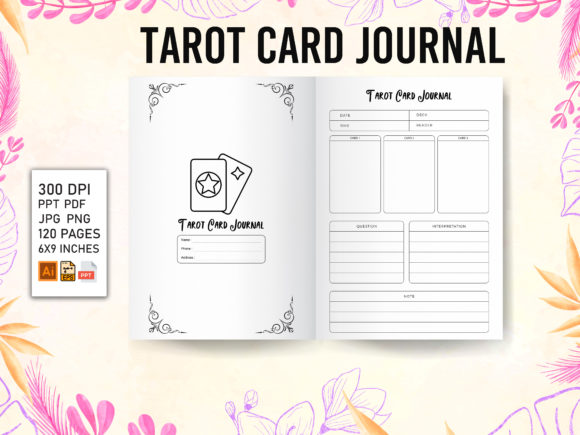
A Tarot Card Journal KDP Interior differs fundamentally from a standard diary or gratitude journal. It is a functional tool structured around the mechanics of tarot reading. Typically, these interiors include dedicated spaces for recording the date, the specific spread used, individual card positions, traditional meanings versus intuitive impressions, and summary reflections. Some advanced templates also incorporate reference sections for Major and Minor Arcana keywords or moon phase tracking.
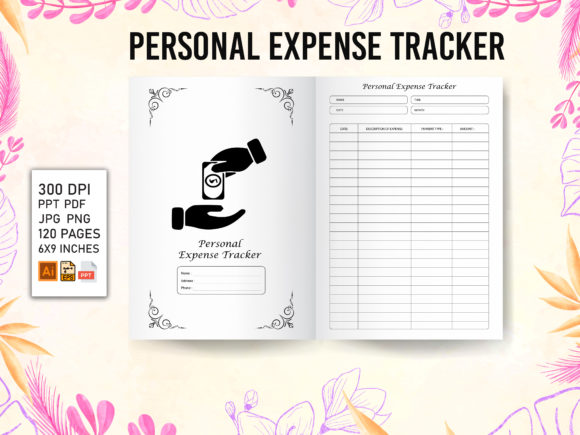
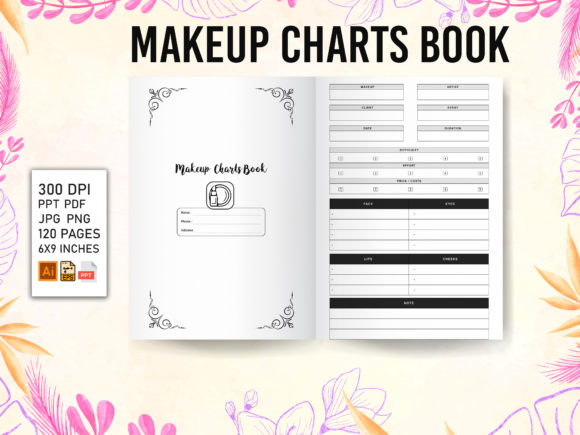
When evaluating pre-made templates for this niche, the file format ecosystem is a primary consideration. High-quality commercial resources for this niche often provide a comprehensive suite of editable files. A robust package typically includes AI (Adobe Illustrator) files for vector editing, PPT (PowerPoint) files for accessible layout adjustments, EPS files for scalable graphics, and high-resolution PNG and JPG assets. Crucially for KDP publishers, these packages should include a print-ready PDF formatted to standard trim sizes (commonly 6x9 inches). The availability of multiple source formats allows publishers to customize the interior, ensuring the final product is unique rather than an identical duplicate of other listings on the marketplace.
Market Viability and Audience Alignment
The decision to publish in this niche should be driven by audience alignment rather than trend chasing. The tarot community is active and engaged, but it is also discerning. Users seeking a Tarot Card Journal KDP Interior are looking for utility over aesthetics alone. They require layouts that accommodate the actual workflow of a reading. Publishers who succeed in this space generally offer interiors that solve specific problems, such as tracking long-term patterns or learning card meanings through repetition.
This niche offers several strategic advantages for KDP businesses. First, the evergreen nature of tarot means demand does not rely solely on seasonal trends like Q4 gifting. Second, the specificity of the interior creates a higher perceived value than generic journals, potentially supporting better royalty margins. Third, because tarot readers often collect multiple decks and books, they are accustomed to purchasing supplementary tools, creating opportunities for series development or cross-promotion with related spiritual niches.
Benefits and Strategic Advantages
Utilizing a professionally designed template provides immediate structural benefits. Creating a functional tarot journal layout from scratch requires significant research into tarot spreads and user experience design. Pre-tested templates mitigate the risk of publishing an interior that looks attractive but fails functionally. When a template is verified as fully tested on the Amazon KDP platform, it reduces the likelihood of rejection due to margin errors, bleed issues, or resolution problems.
Furthermore, the inclusion of editable source files (AI, PPT, EPS) transforms a static purchase into a flexible asset. Publishers can modify fonts, adjust spacing, add branding elements, or combine sections from different templates to create a proprietary product. This editability is critical for avoiding the "duplicate content" penalties that Amazon increasingly applies to low-content books that share identical interiors. The ability to export fresh PDFs ensures that every listing remains compliant and distinct.
Tradeoffs and Critical Considerations
Despite the advantages, there are notable tradeoffs to consider when entering this niche. The primary challenge is saturation. Because tarot is a known profitable niche, many publishers utilize the same commercial-use templates. If a publisher uploads a Tarot Card Journal KDP Interior without significant modification, they compete directly against dozens of identical books. Differentiation becomes mandatory, not optional. This requires time investment in customization, cover design, and keyword research that goes beyond the basics.
Another consideration is the learning curve associated with the file formats. While PDF files are ready for upload, maximizing the value of AI or EPS files requires familiarity with vector design software. Publishers relying solely on the ready-to-upload PDF may find themselves limited in their ability to adapt to customer feedback or market shifts. Conversely, those who invest time in learning to manipulate the source files gain a long-term competitive moat but face a steeper initial barrier to entry.
Additionally, quality expectations in this niche are high. Tarot practitioners are detail-oriented. Errors in terminology, misaligned spread layouts, or poor paper opacity (which relates to KDP printing options rather than the digital file itself) can lead to negative reviews. Publishers must verify that the interior content is accurate and respectful of the tradition, even when using pre-made assets.
Situational Fit: When to Choose This Niche
The Tarot Card Journal KDP Interior is a strong fit for publishers who already have an interest in or knowledge of the metaphysical market. Authenticity resonates in this community, and publishers who understand the end-user's needs can curate and customize templates more effectively. It is also suitable for publishers building a broader spiritual wellness brand, where a tarot journal complements meditation logs, manifestation journals, or astrology planners.
This product type is also appropriate for publishers focusing on medium-content strategy. Unlike blank notebooks, tarot journals require descriptive metadata and A+ content that explains the interior structure. Publishers comfortable with creating educational marketing materials will find this niche rewarding. The availability of high-resolution PNG and JPG files in template packages further supports the creation of A+ content and social media marketing assets, streamlining the promotional workflow.
When to Consider Alternatives
Conversely, this niche may not align with publishers seeking passive income with zero ongoing management. The requirement for customization and the need to stay current with tarot trends demand active engagement. Publishers looking for purely automated revenue streams may find the maintenance burden too high.
Additionally, if a publisher lacks access to or willingness to learn design software beyond basic PDF viewing, the long-term viability of using these templates diminishes. In such cases, broader niches with less sensitivity to duplication, or partnering with a designer for customization, may be more prudent alternatives. Finally, publishers focused exclusively on high-volume, low-margin strategies may find the tarot niche too constrained; while profitable, it does not offer the infinite scalability of generic composition notebooks.
Making the Final Decision
Evaluating a Tarot Card Journal KDP Interior requires balancing technical readiness with market strategy. The availability of multi-format files (AI, PPT, EPS, PDF, PNG) provides the necessary foundation for a professional product, but the success of the publication depends on how those assets are leveraged. Publishers should assess their capacity for customization, their understanding of the target audience, and their willingness to differentiate their offerings in a competitive landscape.
Ultimately, this niche serves as a viable component of a diversified KDP portfolio for those willing to treat it as a medium-content business rather than a quick upload opportunity. By prioritizing user utility and utilizing the editable nature of professional templates, publishers can create sustainable assets that serve the tarot community effectively while growing their sales through quality and relevance. Careful evaluation of these factors ensures that the decision to enter this market is grounded in practical business logic rather than speculation.