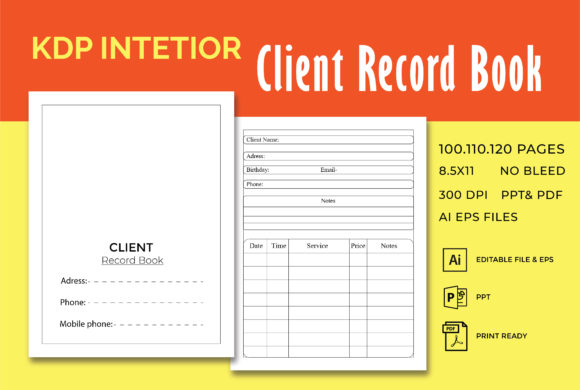
Client Record Book - Interior Template for Streamlined KDP Publishing
Creating a functional low-content book requires more than just placing lines on a page; it demands an understanding of the end-user's workflow and the technical specifications of print-on-demand platforms. The Client Record Book - Interior Template serves as a foundational asset for publishers, freelancers, and business consultants who need to produce professional-grade record-keeping tools without investing hundreds of hours in layout design. This editable digital product bridges the gap between conceptualizing a niche notebook and having a tangible, sellable asset ready for Amazon KDP or other printing services.
For creators targeting professionals such as therapists, hair stylists, personal trainers, or freelance consultants, this template provides a pre-structured environment that respects industry standards. Rather than starting from a blank canvas, users leverage a verified 8.5″x11″ framework that accounts for margins, safe zones, and binding requirements. This shifts the focus from technical troubleshooting to strategic product development and marketing.
Integrating the Template into Product Development Workflows
The primary value of this Client Record Book interior lies in its adaptability within a broader publishing workflow. Whether you are launching a new line of business stationery or updating an existing catalog, the template acts as a modular component. It is designed to fit seamlessly into three distinct phases of production: preparation, customization, and finalization.
Preparation and Technical Compliance
Before any design work begins, the most significant hurdle in KDP publishing is ensuring technical compliance. Rejected manuscripts due to bleed errors or margin violations result in lost time and momentum. This template eliminates that friction point by arriving pre-configured with Bleed OFF settings at exact 8.5×11 inch dimensions. For publishers managing multiple SKUs, this standardization ensures consistency across a brand portfolio. You can begin the project knowing the foundation is solid, allowing you to allocate resources toward keyword research, cover design, and competitive analysis rather than measuring gutter margins repeatedly.
Customization During the Creative Process
During the active creation phase, the editable AI and EPS files offer granular control. A generic client record book may not convert well in a specific niche. A massage therapist requires different intake fields than a financial advisor. Because the source files are vector-based, you can modify headers, adjust column widths, add logo placements, or change font styles without degrading quality. This flexibility allows the template to serve as a base for multiple derivative products. One master file can be adapted into five distinct niche-specific journals, maximizing the return on investment for a single digital asset.
Finalization and Quality Assurance
The final stage involves exporting a high-quality 300 DPI print-ready PDF. Resolution is non-negotiable in print publishing; pixelated text or blurry lines destroy user trust and lead to negative reviews. This template ensures that every element, from fine grid lines to body text, remains crisp at print resolution. When integrated into a quality control checklist, the template reduces the risk of post-production errors. Publishers can confidently upload the file, knowing it meets the rigorous standards required for professional distribution.
Practical Applications Across Professional Niches
Understanding where this Client Record Book - Interior Template fits in real-world scenarios helps publishers identify profitable opportunities. The utility of the book extends beyond simple data entry; it supports compliance, organization, and client relationship management.
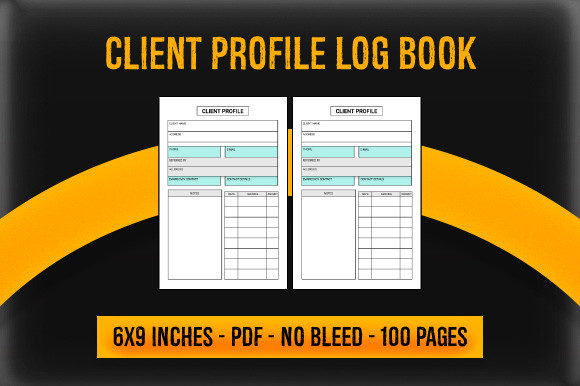
- Health and Wellness Practitioners: Estheticians, chiropractors, and nutritionists require consistent documentation for liability and treatment tracking. The template provides structured spaces for client history, session notes, and progress tracking, which are essential for professional accountability.
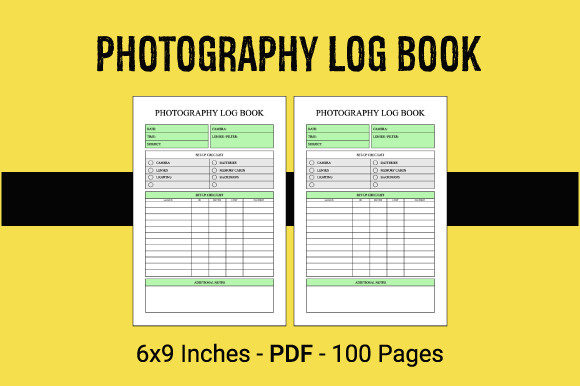
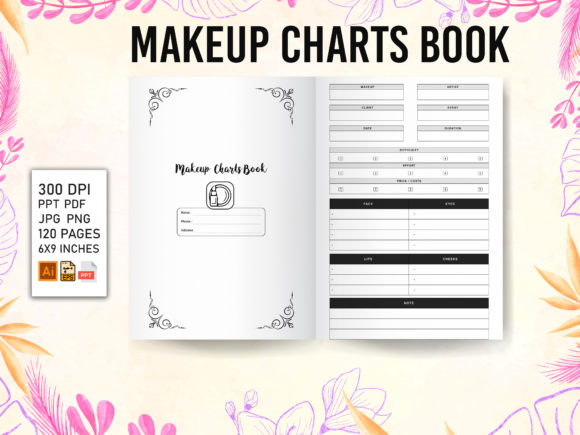
- Creative Service Providers: Tattoo artists, photographers, and makeup artists use client books to manage consultations and preferences. Customizing the template to include visual reference sections or consent forms adds specific value to these creative workflows.
- Business Consultants and Coaches: Professionals who manage multiple clients simultaneously need efficient ways to track action items and meeting outcomes. The 8.5×11 size offers ample space for detailed notes, making it superior to smaller formats for comprehensive business planning.
- Educators and Tutors: Private tutors and special education professionals often maintain individual student records outside of official school systems. This template allows for customized tracking of learning goals, behavioral observations, and parent communication logs.
By analyzing these use cases, publishers can tailor their metadata and marketing copy to address specific pain points. The template is not merely a collection of pages; it is a solution to organizational chaos for these professionals.
Technical Specifications and Platform Compatibility
Successful implementation depends on understanding the technical parameters of the asset. The Client Record Book - Interior Template is engineered for interoperability with major print-on-demand ecosystems.
File Format Versatility
The inclusion of both AI (Adobe Illustrator) and EPS (Encapsulated PostScript) files ensures compatibility across various design environments. Adobe Illustrator users can fully manipulate layers and vectors, while those using alternative vector software like Affinity Designer or CorelDRAW can import the EPS files to make necessary adjustments. This cross-platform accessibility prevents vendor lock-in and accommodates diverse creator tech stacks. Even users who do not wish to edit the interior extensively benefit from the included print-ready PDF, which serves as a direct upload option for those prioritizing speed over customization.
Page Count Flexibility
Low-content books vary significantly in optimal length based on price point and perceived value. This template supports 100, 110, and 120-page configurations. This range is strategically chosen to balance spine width visibility with printing costs. Books under 100 pages often lack a readable spine on KDP, reducing shelf appeal. Conversely, exceeding 120 pages for a record book can increase production costs without necessarily increasing the retail price. Having access to these three specific page counts allows publishers to test different price-to-value ratios without redesigning the entire document structure.
Bleed and Margin Safety
The "Bleed OFF" setting is critical for lined and form-based interiors. Unlike full-color children's books where images extend to the edge, client record books typically require a clean white border to ensure no content is trimmed during binding. This template adheres to strict safety margins, keeping all writable areas well within the trim zone. This precaution is vital for maintaining usability; a client record book where the binding eats into the writing space becomes functionally obsolete. Adhering to these preset margins protects the user experience and preserves the integrity of the physical product.
Optimizing Workflow Efficiency and Consistency
For entrepreneurs managing a portfolio of low-content books, efficiency dictates profitability. Using a standardized template like this creates a repeatable system for product creation.
Batch Processing: Once you establish your preferred modifications to the AI or EPS file, you can create a master template. Future projects can be spawned from this master, reducing setup time from hours to minutes. This batch-processing approach is essential for scaling a KDP business.
Brand Cohesion: If you publish multiple titles for the same niche (e.g., a series of books for dog groomers), using the same interior template ensures visual consistency. Customers who purchase one volume know exactly what to expect from the next. This familiarity builds brand loyalty and encourages repeat purchases.
Collaborative Projects: For teams or virtual assistants involved in the publishing process, a standardized template reduces communication errors. Instead of describing layout preferences verbally, you can share the source file with clear instructions. The structured nature of the AI/EPS files makes delegation safer and more effective.
Strategic Considerations for Long-Term Use
While the Client Record Book - Interior Template solves immediate production needs, it also supports long-term business strategy. Digital assets that are editable retain value over time. As market trends shift or platform requirements update, owning the source files allows you to pivot without repurchasing new templates.
Furthermore, the ability to customize the interior enables differentiation in a saturated market. Many KDP sellers rely on uneditable PDFs, resulting in identical products competing solely on price. By utilizing the editable vectors to add unique prompts, specialized tracking tables, or branded elements, you create a defensible product moat. Your version of the client record book offers utility that generic competitors cannot match.
Quality control remains an ongoing responsibility. Even with a pre-made template, always order a physical proof before launching. Screen calibration differs from ink deposition, and paper weight affects opacity. Verify that the 300 DPI output prints clearly and that the 8.5×11 dimensions feel appropriate for the intended use case. This final validation step ensures that the digital convenience of the template translates into physical excellence for the end user.
Ultimately, this template is a tool for execution. It removes technical barriers, enforces professional standards, and accelerates the path from idea to published product. By integrating it thoughtfully into your workflow, you transform the complex task of book manufacturing into a streamlined, scalable process.