Streamlining Low-Content Publishing with KDP Interior Sketchbook Vol. 10
For self-publishers navigating the competitive landscape of Amazon KDP, the difference between a hobby and a scalable business often lies in workflow efficiency. Creating high-quality interiors from scratch for every single title is a bottleneck that stifles growth. This is where pre-formatted resources like KDP Interior Sketchbook Vol. 10 become essential assets rather than just shortcuts. This specific volume offers a refined, ready-to-upload solution designed to eliminate technical guesswork while maintaining professional standards.
When evaluating interior files for low-content books, creators must look beyond simple aesthetics. Technical compliance is paramount. A file might look beautiful on a screen but fail during the KDP upload process due to margin errors or resolution issues. KDP Interior Sketchbook Vol. 10 addresses these pain points directly by providing tested, compliant files that allow publishers to focus on niche research and cover design rather than pixel-level formatting adjustments.
Technical Specifications and Platform Compliance
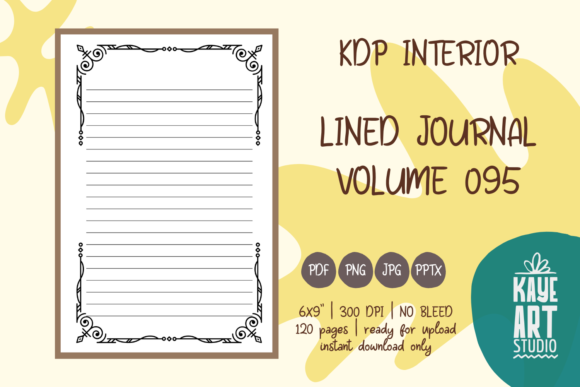
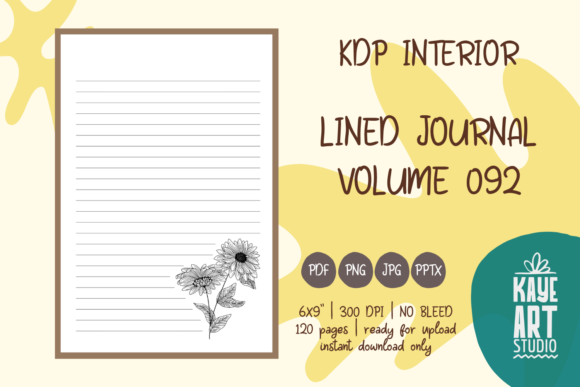
The foundation of any successful KDP product is its adherence to platform guidelines. Rejection emails regarding bleed settings or image quality can delay launches by days. This sketchbook interior is engineered with precise specifications to prevent such setbacks.
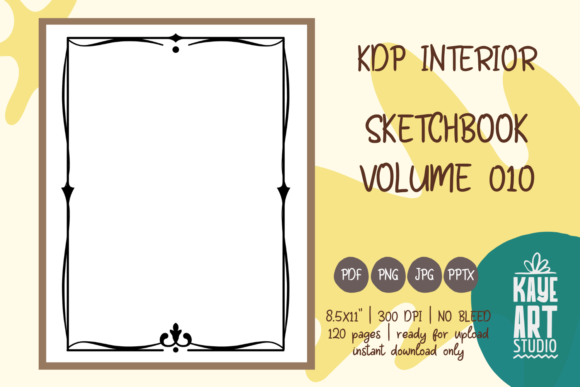
- Trim Size: The standard 8.5 x 11 inch format remains the most versatile size for sketchbooks, offering ample drawing space without becoming unwieldy for shipping or storage.
- Bleed Settings: Configured specifically for NO BLEED. This is a critical distinction. Many templates incorrectly apply bleed to sketchbooks where artwork should remain within safe margins. This file ensures all content stays within the printable area, avoiding accidental cropping.
- Page Count: At 120 pages, this interior hits the sweet spot for perceived value and printing costs. It provides enough substance to justify a higher price point than thinner journals while keeping royalty margins healthy.
- Resolution: All assets are rendered at 300 DPI. This is the non-negotiable industry standard for print clarity. Lower resolutions result in pixelated lines and fuzzy borders that lead to negative customer reviews.
Understanding these specs helps publishers avoid common pitfalls. For instance, using a bleed template for a no-bleed book results in white borders appearing unevenly after trimming. By utilizing a pre-verified no-bleed layout, you ensure consistent margins across all 120 pages.
Versatile File Formats for Modern Workflows
Different publishers utilize different software ecosystems. Some prefer drag-and-drop simplicity, while others require deep customization capabilities. KDP Interior Sketchbook Vol. 10 accommodates various workflows through multi-format delivery including PNG, PDF, JPG, and PPTX.
PDF for Direct Uploads
The included PDF is typically the fastest route to publication. Since it has already been tested on KDP, publishers can often upload this file directly without modification. This is ideal for those scaling their catalog who need to move quickly from keyword research to live listing.
PNG and JPG for Customization
For creators who want to add unique elements—such as custom headers, motivational quotes, or branding watermarks—the individual page images serve as high-quality base layers. You can import these into Canva, Photoshop, or Affinity Publisher to create hybrid interiors that stand out in saturated niches while retaining the structural integrity of the original template.
PPTX for Non-Designers
The PowerPoint format is an often-overlooked gem. It allows users without graphic design training to rearrange pages, delete sections, or add text boxes using familiar tools. If you need to reduce the page count to lower printing costs or insert a "This Book Belongs To" page, the PPTX file makes these edits accessible to everyone.
Strategic Advantages of Pre-Tested Interiors
Time is the most valuable resource in self-publishing. Every hour spent troubleshooting margin warnings is an hour not spent on marketing or creating new titles. The primary value proposition of this interior is reliability.
Files have been explicitly tested on KDP. This verification step removes the anxiety associated with new uploads. When you use untested templates found on free resource sites, you risk discovering errors only after the proof copy arrives weeks later. With KDP Interior Sketchbook Vol. 10, the technical validation is complete before you even download the zip file.
Furthermore, consistency builds brand recognition. If you plan to release a series of sketchbooks targeting different demographics (e.g., fashion designers, architects, or children), using a uniform interior structure creates a cohesive user experience. Customers who enjoy one volume are more likely to purchase subsequent volumes if the paper quality, margins, and layout feel familiar.
Maximizing ROI Through Cover Differentiation
It is vital to understand that this listing provides the INTERIOR ONLY. You must create your own covers. While some may view this as extra work, experienced publishers recognize it as a strategic advantage.
The interior is the functional skeleton; the cover is the sales hook. In the sketchbook niche, customers buy based on aesthetic appeal and specific use-case relevance. A generic interior paired with a highly targeted cover allows you to test multiple niches without reinventing the wheel each time.
Consider these practical applications:
- Niche Testing: Use the same KDP Interior Sketchbook Vol. 10 file to create three different books: one for tattoo artists, one for botany students, and one for fashion illustration. Only the cover changes, allowing you to identify which audience converts best with minimal upfront investment.
- Seasonal Variations: Keep the interior constant but update covers for back-to-school season, holiday gifting, or New Year resolutions. This extends the lifecycle of a single asset throughout the year.
- Bundle Creation: Create matching sets (e.g., a lined notebook and this sketchbook) by designing complementary covers. The standardized trim size and page quality ensure they look professional when displayed together.
Evaluating Quality Beyond Resolution
While 300 DPI ensures sharpness, true quality in a sketchbook interior also involves thoughtful layout design. Paper opacity on KDP standard color stock is approximately 55-60 GSM. Heavy ink markers will bleed through regardless of the digital file quality. However, a well-designed interior accounts for this physical limitation.
This volume’s no-bleed configuration naturally encourages single-sided usage or lighter media like graphite, colored pencil, and fine liners. When writing your book description, be transparent about recommended media. Positioning the book correctly manages customer expectations and reduces returns. The clean, distraction-free pages provided in this template support this positioning by offering pure utility without unnecessary clutter that might interfere with artistic work.
Integration into Scalable Publishing Systems
Professional publishing is about systems, not just individual books. Integrating reliable assets like KDP Interior Sketchbook Vol. 10 into your production pipeline creates predictability. When you know exactly how many pages you have, what the margins are, and that the file will pass review, you can accurately forecast royalties and advertising budgets.
This predictability also aids in outsourcing. If you hire virtual assistants or designers to create covers or write descriptions, providing them with a standardized interior spec sheet eliminates communication gaps. They know precisely what dimensions to design for and what page count to reference in the copy.
Ultimately, the goal is to reduce friction between idea generation and product launch. Whether you are a seasoned publisher looking to replenish inventory or a newcomer seeking a reliable starting point, prioritizing technically sound, versatile interiors establishes a solid foundation. The combination of verified compliance, multiple file formats, and optimal specifications makes this sketchbook volume a practical tool for building a sustainable low-content portfolio.