Aquarium Log Book Interior: A Practical Resource for KDP and POD Publishers
Creating a successful low-content book on Amazon KDP often comes down to finding the intersection between specific niche demand and high-quality utility. The Aquarium Log Book Interior serves exactly this purpose by providing a structured, ready-to-use framework for fish keepers who need to track water parameters, feeding schedules, and tank maintenance. For publishers, this 100-page PDF template eliminates the design phase entirely, allowing you to focus on keyword research, cover creation, and marketing. Unlike generic notebooks, this specialized interior addresses the precise data points that aquarists monitor daily, making it a functional tool rather than just empty paper.
Understanding the Functional Design of Aquarium Journals
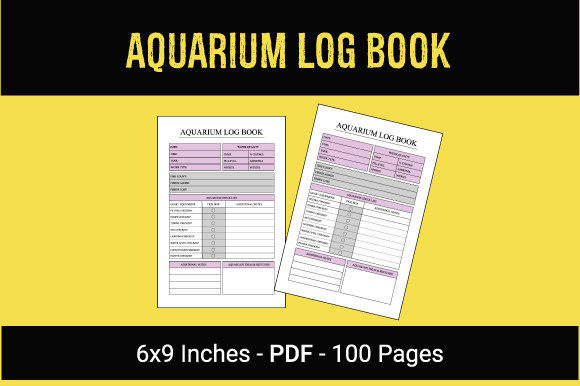
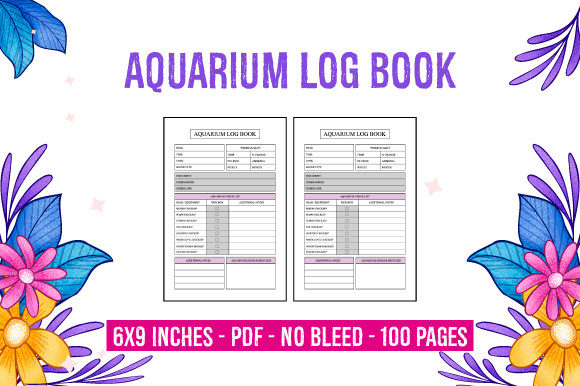
An effective Aquarium Log Book Interior is more than just lined pages; it is a data management system translated into print. Fish keeping is a hobby driven by chemistry and biology, where slight variations in pH, ammonia, nitrite, or temperature can have catastrophic results. This specific interior template is designed with pre-formatted tables and sections that prompt the user to record these critical metrics consistently. When evaluating or utilizing this 100-page resource, it is important to recognize that the value lies in its layout. The 6" x 9" dimension is the industry standard for portable logbooks, offering enough surface area for writing while remaining compact enough to sit on a tank stand or fit in a tackle box.
The "No Bleed" specification included in this digital file is particularly significant for KDP publishers. Amazon’s printing process has strict margin requirements, and bleed errors are one of the most common reasons for rejection or poor customer reviews. By utilizing a no-bleed configuration, the content stays safely within the printable area, ensuring that table lines and text headers remain crisp and untruncated. This technical compliance saves publishers from costly proofing cycles and ensures the final physical product looks professional when it arrives at the customer's door.
Real-World Applications for Different Aquarist Segments
The versatility of this interior allows it to serve multiple sub-niches within the aquarium community. Understanding these distinct user groups helps in tailoring your book description and cover design to match their specific intent.
Freshwater Community Tank Keepers
This is the largest demographic for aquarium journals. These hobbyists typically manage planted tanks or community setups with tetras, guppies, and corydoras. For them, the log book acts as a maintenance calendar. They use the interior to track weekly water change percentages, filter cleaning dates, and plant fertilization dosing. Because freshwater parameters can fluctuate based on tap water consistency, having a historical record helps them identify trends before algae blooms or fish stress occur. A publisher targeting this group might pair this interior with a cover featuring lush green aquascaping or vibrant neon tetras.
Saltwater and Reef Enthusiasts
Reef keeping requires a much higher level of precision. Salinity, alkalinity, calcium, and magnesium levels must be logged frequently. While some reefers use digital apps, many still prefer physical logs to avoid bringing electronics near saltwater spray. This audience values the log book as a backup system and a tangible record of coral growth and livestock health. When marketing to this segment, emphasize the organizational aspect of the interior. They are often managing expensive equipment and sensitive corals, so the log book represents risk management and asset protection.
Breeders and Quarantine Managers
Fish breeders operate differently than display tank owners. They need to track spawning dates, fry counts, growth rates, and medication schedules across multiple tanks simultaneously. For this user, the Aquarium Log Book Interior functions as a production ledger. The repetitive nature of the 100-page layout allows them to dedicate specific sections to different breeding pairs or quarantine cycles. Publishers can create highly targeted books for this niche by focusing on terms like "fry development," "spawn tracking," or "medication dosage log" in their metadata.
Strategic Considerations for KDP Publishers
While the ready-to-use PDF file streamlines production, success in the low-content space requires strategic application. Simply uploading the file is rarely enough to generate consistent sales. You must consider how this interior fits into the broader ecosystem of Amazon search behavior.
Cover Design Alignment: The interior dictates the promise made by the cover. If the interior includes specific tables for pH and temperature, the cover should visually communicate "data tracking" or "maintenance log" rather than just "aquarium notebook." Misalignment between cover expectations and interior reality leads to negative reviews. Use the 6x9 dimensions to create covers that clearly show sample interior pages in the mockup, so buyers know exactly what they are purchasing.
Keyword Specificity: Generic terms like "fish journal" are highly competitive. Leverage the specific utility of this interior to target long-tail keywords. Phrases such as "freshwater tank maintenance log," "reef parameter tracker," or "aquarium water testing record" align directly with the functional elements of the PDF. The interior provides the substance that supports these specific search queries, improving your book's relevance score in Amazon's algorithm.
Differentiation Through Bundling: Since this is a standardized 100-page file, other publishers may be using identical interiors. To stand out, consider how you position the book. You might create a series (e.g., Volume 1, Volume 2) for long-term trackers, or bundle the concept with specific tank sizes (e.g., "Nano Tank Log" vs. "Large Aquarium Maintenance Record"). Even though the interior remains the same, the contextual framing creates unique products for different buyer intents.
Evaluating Strengths and Limitations
Using a pre-made Aquarium Log Book Interior offers immediate speed-to-market advantages, but it is essential to understand its boundaries. The primary strength is efficiency; you bypass dozens of hours of layout design and formatting checks. The high-resolution PDF ensures that grid lines print sharply, avoiding the gray, pixelated look that plagues amateur KDP books. The 100-page count is also optimal for pricing; it is thick enough to justify a mid-range price point without driving up printing costs excessively.
However, the limitation of a ready-made file is inflexibility. You cannot easily add custom sections for specific fish species or alter the column headers without redesigning the entire document. If market research reveals a surge in demand for "shrimp keeping logs" requiring TDS (Total Dissolved Solids) tracking that isn't present in this standard template, you may need to source a different interior or hire a designer for customization. Additionally, because the file is no-bleed, you cannot extend background colors or graphics to the edge of the page. This restricts certain aesthetic choices but guarantees safer printing margins.
Maximizing the Utility of Digital Assets
For publishers building a portfolio of low-content books, this Aquarium Log Book Interior represents a foundational asset. It transforms the abstract idea of "fish keeping" into a tangible, sellable product. The key to leveraging this resource effectively lies in viewing it not as a standalone file, but as a solution to a specific problem: the need for organized, reliable data tracking in an analog format.
When integrating this into your publishing workflow, always verify the file specifications against current KDP guidelines before upload. Although the 6" x 9" no-bleed format is standard, platform requirements can shift. Maintaining a checklist for interior validation ensures that your high-resolution PDF files remain compliant. Furthermore, consider the seasonal nature of the aquarium hobby. New tank setups often peak after holidays and during spring cleaning cycles. Timing your publication and advertising efforts to coincide with these periods can significantly enhance the visibility of your log book.
Ultimately, the value of this digital file extends beyond the pages themselves. It enables creators to participate in a passionate niche market with a professional-grade product. By understanding the diverse needs of freshwater keepers, reef enthusiasts, and breeders, and by aligning your metadata and cover design with the functional reality of the interior, you can build a sustainable offering in the competitive landscape of KDP low-content publishing. The Aquarium Log Book Interior is a tool that bridges the gap between digital convenience and the tactile, methodical nature of successful aquarium husbandry.